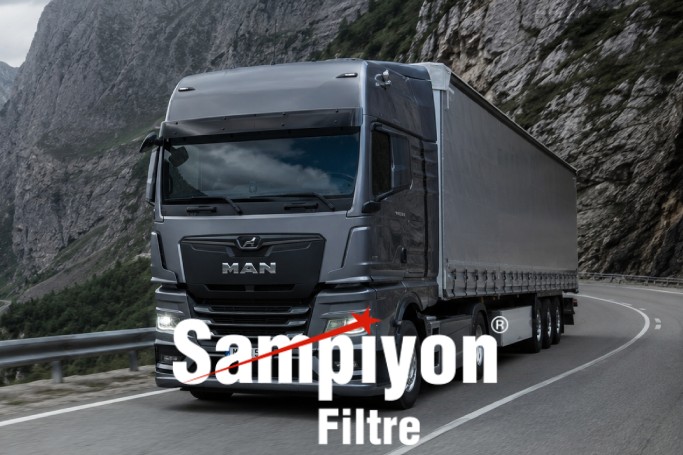
Top Warning Signs Your Truck Filters Need Immediate Replacement
Recognizing the early symptoms of filtration failure is essential for maintaining heavy-duty operational efficiency.August 10, 2026
Recognizing the early symptoms of filtration failure is essential for maintaining heavy-duty operational efficiency. When truck filters become saturated, they trigger power loss and increased fuel consumption that compromise the entire powertrain. Proactive truck maintenance prevents expensive downtime and ensures your vehicle remains reliable throughout demanding long-haul schedules.
Maintaining a heavy-duty engine involves more than just routine oil changes; it requires a vigilant eye on all filtration components. These systems prevent dirt, dust, and microscopic debris from compromising the internal mechanics of your vehicle. Identifying the top warning signs that your filters need replacement ensures you can address issues before they cause significant engine damage or failure.
Why Truck Filters Are Critical for Vehicle Performance?
The internal combustion engine of a heavy-duty vehicle relies on a constant and clean supply of air, fuel, and lubrication to generate power efficiently. Truck filters act as the primary defense mechanism against environmental pollutants and internal wear particles that accumulate during long-haul trips. Without effective filtration, the precision-engineered parts of the engine would quickly succumb to friction and contamination, leading to a total loss of mechanical integrity.
Protecting the Engine from Contaminants
Modern diesel engines are designed with extremely tight tolerances, meaning even tiny dust particles can cause catastrophic damage. The primary role of filtration is to capture these abrasives before they reach the cylinder walls or sensitive bearings. Consistent truck maintenance must include regular inspections of these barriers to ensure no debris has bypassed the media.
When a filter is functioning correctly, it maintains a high flow rate while stripping away harmful materials. Over time, the media becomes saturated, and its ability to trap smaller particles diminishes. Replacing these components at the right time prevents internal sandblasting effects that reduce the lifespan of the entire engine block.
Supporting Efficient Fuel Delivery
Fuel systems in commercial vehicles require high pressure to atomize diesel effectively for combustion. If contaminants enter the fuel rail or injectors, the spray pattern becomes irregular, which hampers power production. Specialized filters remove water and solid particles to ensure the fuel remains pure from the tank to the combustion chamber.
A steady supply of clean fuel allows the engine control unit to optimize the timing and volume of each injection. This precision is what allows a truck to haul heavy loads without excessive smoke or vibration. Protecting the fuel system also prevents the high-pressure pump from running dry or overheating due to restricted flow.
The presence of water is particularly dangerous in diesel systems as it leads to corrosion and microbial growth. High-quality filtration units include water separators that must be drained and replaced as part of a comprehensive truck maintenance plan. This prevents rust from forming inside the delicate injector nozzles.
Maintaining Clean Cabin Air
While engine protection is vital, the air quality inside the driver's cabin is also a critical part of vehicle operation. Cabin filters remove pollen, dust, and exhaust fumes, ensuring the driver remains alert and healthy throughout long shifts. A clogged cabin filter can also put unnecessary strain on the HVAC system, reducing its ability to defrost the windshield.
If the air inside the cab smells musty or if airflow through the vents is weak, the filter is likely saturated with organic matter. Replacing this component is a simple task that significantly improves the working environment for the operator. It also prevents dust from accumulating on the dashboard and sensitive electronic controls inside the cabin.
Top Warning Signs Your Truck Filters Need Immediate Replacement
Being able to spot a failing filter before it causes a breakdown is an essential skill for any fleet operator. Most filtration issues manifest through subtle changes in how the vehicle handles or sounds under load. Paying attention to these signals allows for proactive truck maintenance that keeps the vehicle on the road and avoids emergency roadside repairs.
Noticeable Loss of Engine Power
A significant drop in horsepower is one of the most common signs that the engine is struggling to breathe. When a truck air filter is clogged with dirt and road debris, the volume of oxygen reaching the combustion chamber is severely limited. This results in a sluggish feeling when the driver attempts to accelerate or maintain speed on an incline.
The engine might feel as though it is working twice as hard to achieve the same results as before. This happens because the vacuum created by the intake system is fighting against a physical blockage in the filter media. If the air-to-fuel ratio is disrupted, the engine simply cannot produce the torque required for heavy-duty tasks.
In some cases, the power loss may be intermittent or occur only at higher speeds. This suggests that the filter can provide enough flow for idling but fails when the demand for air or fuel increases. Drivers should report any lack of throttle response immediately to avoid getting stranded with a non-responsive engine.
Furthermore, a lack of power often leads to higher operating temperatures. The cooling system must work harder to manage the heat generated by an inefficient engine. This chain reaction can lead to overheated components and further mechanical complications if the primary cause, the dirty filter, is not addressed quickly.
Increased Fuel Consumption
If you notice that your fuel costs are rising despite no change in your routes or load weights, your filters may be to blame. An inefficient combustion process caused by poor filtration forces the engine to burn more fuel to maintain its speed. This is a direct hit to the profitability of any transport business and indicates a failure in routine truck maintenance.
A clogged truck air filter creates a rich fuel mixture where diesel is not completely burned. This wasted fuel is often visible as dark smoke coming from the exhaust pipe. Monitoring your miles-per-gallon (MPG) is the most effective way to catch this issue before it becomes a major financial burden.
Replacing a restricted filter can lead to an immediate improvement in fuel economy. The engine no longer has to fight internal resistance to get the resources it needs for power. This leads to a more relaxed engine operation and a significant reduction in the total volume of fuel consumed per trip.
Dashboard Warning Lights and Engine Issues
Modern trucks are equipped with sensors that monitor the pressure levels within the intake and fuel systems. If a filter becomes too restricted, the engine control unit will trigger a "Check Engine" light or a specific filtration warning. These alerts are designed to protect the vehicle from long-term damage and should never be ignored.
Other issues like rough idling or frequent stalling are also common when fuel or air flow is inconsistent. A clogged filter can cause the engine to sputter because it is not receiving a steady stream of diesel. If the engine takes multiple attempts to start in the morning, it is likely that the fuel system is struggling with a blockage.
What Happens If You Ignore Dirty Truck Filters?
Neglecting to replace truck filters is a decision that leads to much higher costs in the long run. While a filter is a relatively inexpensive part, the components it protects are some of the most expensive in the automotive world. Allowing a dirty filter to remain in service exposes the vehicle to a variety of risks that could have been easily avoided.
Engine Component Wear
When filters are saturated, they can sometimes tear or collapse under the pressure of the engine's demand. This allows unfiltered air or oil to bypass the media entirely, carrying abrasive particles directly into the heart of the engine. Once these particles enter the cylinders, they cause irreversible scratching and wear on the metal surfaces.
The piston rings and cylinder liners are particularly vulnerable to this type of damage. As they wear down, the engine loses compression and starts to consume more oil. This type of internal degradation significantly shortens the time between major engine overhauls, costing the owner thousands of dollars.
Unfiltered oil also poses a threat to the crankshaft and camshaft bearings. These parts require a clean film of oil to prevent metal-on-metal contact. If microscopic debris is allowed to circulate through the lubrication system, it acts like a grinding paste that destroys these precision bearings.
Reduced Fuel Efficiency
Running a truck with poor filtration is one of the fastest ways to ruin your operational budget. As the engine struggles to compensate for restricted airflow, the fuel mapping becomes highly inefficient. You end up paying for diesel that is either poorly burned or simply wasted as heat rather than kinetic energy.
Over time, this inefficiency also damages the exhaust aftertreatment systems. Excessive soot from a poor combustion process will clog the expensive particulate filters in the exhaust. This leads to more frequent regeneration cycles, which consume even more fuel and reduce the overall efficiency of the truck.
Higher Repair and Maintenance Costs
The ultimate result of ignoring basic truck maintenance is a massive increase in repair bills. A simple fuel filter replacement costs a fraction of what a new set of fuel injectors would cost. By skipping small maintenance tasks, you are essentially gambling with the most expensive parts of your vehicle.
- Turbocharger Failure: Restricted air or dirty oil can lead to the sudden failure of the turbocharger.
- Fuel Pump Damage: Pumps that must fight against blocked filters will overheat and fail prematurely.
- DPF Clogging: Excessive soot production from poor filtration will lead to expensive exhaust system cleaning.
- Emergency Downtime: Sudden breakdowns lead to missed delivery deadlines and towing fees.
Which Truck Filters Should Be Replaced Regularly?
A comprehensive approach to truck maintenance involves more than just checking one or two parts. Every fluid and air path in the vehicle has a specific filter designed to maintain its purity. Knowing which components to prioritize helps in organizing a maintenance schedule that covers all the bases for vehicle health.
Air Filter
The truck air filter is perhaps the most critical component for maintaining daily performance. Because it processes such a massive volume of air, it is also the part that is most likely to become dirty quickly. Depending on the environment, an air filter might need replacement more often than the manufacturer's standard interval.
If your truck is used on construction sites or in farming areas, the air filter will be consistently exposed to high levels of dust. In these cases, visual inspections are necessary every few weeks. A clean intake ensures the turbocharger can spin freely and deliver the boost required for heavy hauling.
Fuel Filter
Fuel filters are the primary guardians of the injection system and should be changed at every major service. Modern diesel is often cleaner than it used to be, but storage tanks and transport tankers can still introduce contaminants. A fresh filter ensures that your injectors remain free of deposits that could ruin the spray pattern.
Many trucks utilize a two-stage fuel filtration system with a primary and secondary filter. The primary filter usually handles water separation, while the secondary filter captures the finest particles. Both must be replaced together to ensure the entire fuel delivery path remains uncompromised.
Oil Filter and Cabin Air Filter
Oil filters must be changed with every oil interval to ensure the fresh lubricant stays clean for as long as possible. A new oil filter ensures that combustion byproducts and metallic wear particles are immediately removed from circulation. This is the single most important task for extending the lifespan of the engine's internal bearings.
The cabin air filter is often the most neglected part of truck maintenance, yet it is vital for driver comfort. It should be replaced at least once a year, or more frequently if the vehicle is used in urban areas with high pollution. Keeping this filter clean ensures that the air conditioning and heating systems work at maximum efficiency.
Best Practices to Extend Truck Filter Life
While replacement is inevitable, there are ways to ensure your truck filters live out their full functional lifespan. Proper care and smart operating habits can prevent premature clogging and ensure the filtration system works as intended. A proactive approach to vehicle care always pays off in the form of lower total operating costs.
Follow Recommended Service Intervals
The manufacturer's service manual is the most important document for any truck maintenance program. It provides specific mileage or hour-based intervals for when each filter should be replaced. Following these guidelines ensures that you are replacing parts before they reach a state of critical restriction.
However, these intervals should be treated as a maximum limit. If your truck is frequently idling or working in extreme heat, you should consider shortening the time between filter changes. Keeping a detailed log of every service helps in identifying patterns and predicting when the next replacement will be needed.
Perform Routine Inspections
A quick visual check can often reveal if a truck air filter is reaching its limit before a warning light ever appears. During your pre-trip inspections, take a moment to look for signs of heavy dust or physical damage to the filter housing. Similarly, checking the fuel water separator daily is a simple habit that prevents moisture-related issues.
Monitoring the color and consistency of your engine oil can also provide clues about the health of your filtration system. If the oil looks excessively black or thick shortly after a change, it may indicate that the filter is not effectively removing soot. Inspections allow you to catch these anomalies before they turn into expensive mechanical failures.
Use High-Quality Replacement Filters
The quality of the replacement part is the most significant factor in how well the engine is protected. Using cheap, off-brand truck filters is a risk that rarely pays off, as they often use inferior materials that clog or fail quickly. Investing in a premium brand ensures that the media will actually stop the particles it is designed to catch.
- Check for Seals: High-quality filters have robust gaskets that prevent leaks and bypass.
- Media Density: Premium filters use more layers of filtration material for better capacity.
- Build Quality: Look for heavy-duty housings that won't crack under vibration or pressure.
- Proven Brands: Stick with manufacturers like Şampiyon Filter that have a proven track record in the industry.
Why Choose Şampiyon Filter for Heavy-Duty Vehicles?
Selecting the right brand for your filtration needs is just as important as the maintenance schedule itself. Sampiyon Filter has established itself as a premier provider for the commercial vehicle industry, offering products that can withstand the rigors of heavy-duty operation. Their commitment to engineering excellence ensures that every filter provides maximum protection for your engine.
OEM-Quality Filtration Solutions
When you choose a product from Şampiyon Filter, you are getting a component designed to meet or exceed original equipment standards. This means the filter will fit perfectly and provide the exact flow and filtration characteristics required by your engine's manufacturer. This level of quality is essential for maintaining vehicle warranties and ensuring long-term reliability.
The materials used in their construction are selected for their durability and particle-retention capabilities. This prevents the filter media from collapsing or allowing "media migration" into the engine. Relying on OEM-quality solutions is the best way to protect your investment in high-value commercial assets.
Reliable Filters for Trucks and Commercial Vehicles
The extensive product range of Sampiyon Filter covers an incredibly wide variety of truck makes and models. Whether you are managing a fleet of delivery vans or a long-haul transport company, they have the specific truck filters you need. This wide availability simplifies the procurement process for fleet managers who need to maintain different types of vehicles.
Their reputation for reliability is built on decades of experience in the global automotive market. Professional drivers trust these products because they consistently perform under the most demanding environmental conditions. Having a reliable partner for filtration means one less thing to worry about in your daily operations.
Advanced Filtration Technology for Maximum Protection
Şampiyon Filter provides high-performance solutions utilizing multi-layered media to capture contaminants without restricting essential airflow. Our precision-engineered truck filters are designed for extreme pressures, keeping your truck maintenance costs low and reliability high. Upgrade to a Şampiyon truck air filter today to ensure maximum engine protection and long-term efficiency for your entire fleet.
Frequently Asked Questions (FAQ)
What are the signs that a truck filter needs replacement?
The most common signs include a noticeable loss of engine power, an increase in fuel consumption, and the appearance of dashboard warning lights. You may also notice dark smoke from the exhaust or hear unusual noises during acceleration. Rough idling and difficulty starting the engine are also strong indicators of a clogged fuel filter.
How often should truck filters be changed?
Most manufacturers recommend changing engine filters every 15,000 to 25,000 miles, depending on the specific vehicle and its usage. However, for trucks working in harsh or dusty environments, it is best to inspect them every 10,000 miles. Always refer to your vehicle's manual for the most accurate maintenance schedule.
Can dirty filters reduce truck fuel economy?
Yes, a dirty truck air filter or fuel filter will significantly decrease fuel efficiency. The engine is forced to work harder to pull in air and fuel, leading to an inefficient combustion process. Replacing clogged filters is one of the easiest ways to lower your monthly fuel expenses and improve overall MPG.
Which truck filter affects engine performance the most?
The air filter has the most immediate impact on daily performance as it controls the oxygen supply for combustion. A clogged air filter will immediately lead to sluggish acceleration and power loss. However, the fuel and oil filters are equally critical for the long-term health and durability of the engine's internal components.